

Recently, I called a friend of mine to ask for some wisdom. I don’t know about you, but I have a tendency to overcomplicate things and overcommit myself.
So I reached out and shared the challenge I was facing—one I was confident he had encountered before—hoping he could cut through the noise and give me the guidance I was looking for.
But instead of offering the kind of answer I expected, he said something that, at first, deeply frustrated me.
“It sounds like you need a vacation.”
A vacation? How was that going to help me tackle the seemingly insurmountable pile of work in front of me? How would it enable me to fulfill my duties as a husband and father? Wouldn’t it just set me further behind and increase my stress?
My immediate reaction was to reject what felt like tone-deaf advice and chalk it up to him having an off day. But something about the comment stuck with me—and something about my trust in him made me sit with it longer than I otherwise would have.
Later that night, after my children were in bed, I put my phone down, closed my laptop, and looked honestly at the intensity of my resistance to rest. Why had I rejected his advice so quickly? Why did it annoy me so much? Could there be something in me that was off? Could the advice actually be sound—but the receiver not ready?
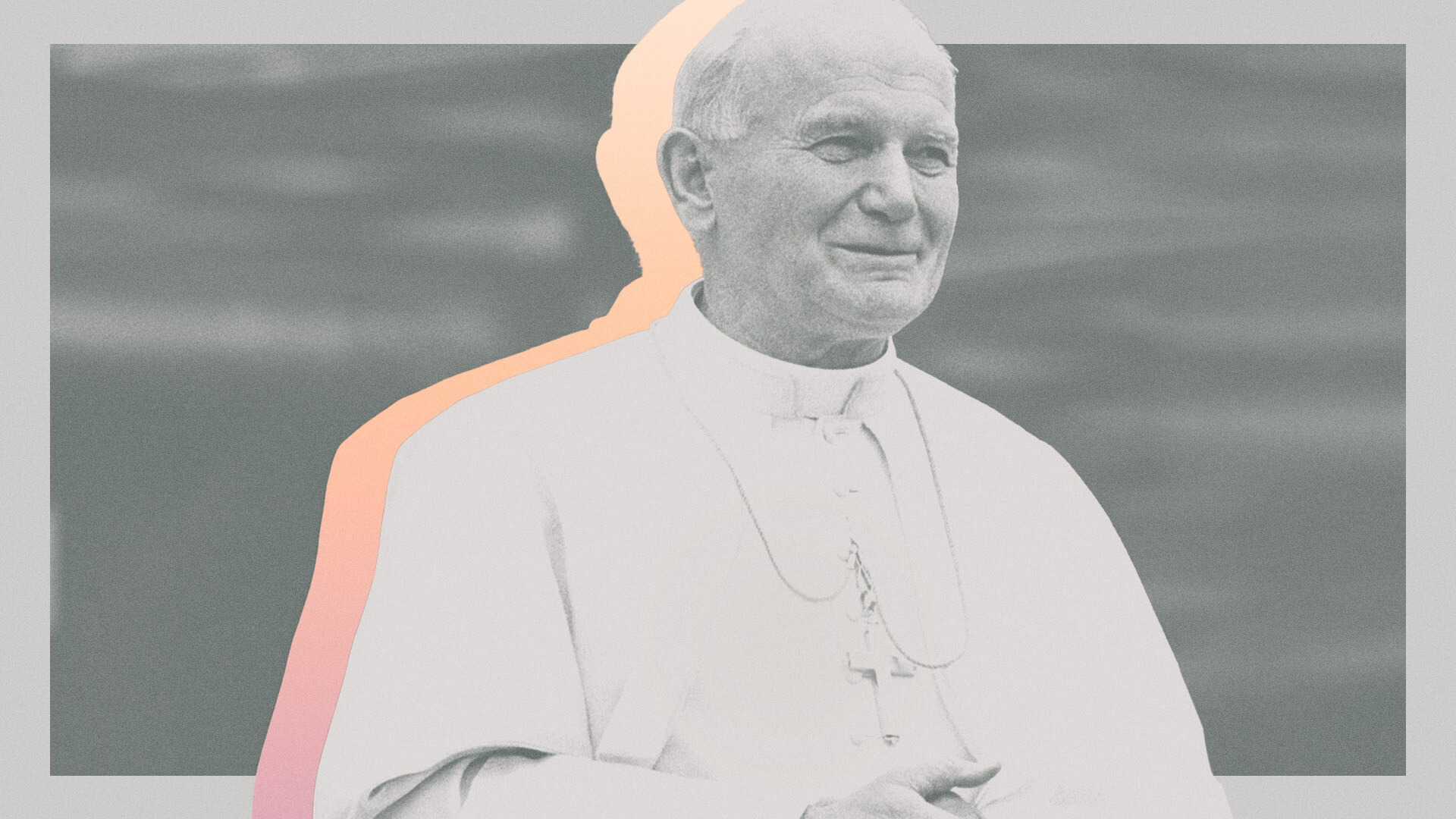
That line of questioning led me, as it often does, to the writings of St. John Paul II. I knew he’d written extensively on the dignity of work, so I figured he must have something to say about rest as well. Sure enough, in his encyclical Laborem Exercens, he wrote:
“Rest is something ‘sacred,’ because it is a way of looking at work from the perspective of the person, and not the person from the perspective of work.”
That line knocked the wind out of me.
Let’s break it down.
1. Rest is something sacred.
John Paul II chooses his words carefully. He doesn’t say rest is helpful or healthy—he says it’s sacred. That means rest is not just for recovery. It’s a sign of our God-given dignity. It reflects something deeper: our worth apart from what we produce.
God commands rest not just because our bodies need it, but because our souls need it. Sabbath rest reorients us toward what matters most. And what matters most is not our work.
2. “…because it is a way of looking at work from the perspective of the person…”
Being a person comes first. Our dignity, needs, and nature define the place and purpose of work. In a state of rest, we remember that work exists to serve the human person—not the other way around.
This means work is meant to contribute to our sanctification. But it can only do that if it remains ordered toward who we are—not who the world expects us to be.
3. “…and not the person from the perspective of work.”
This is the danger John Paul II warns against: defining ourselves by our work—by our output, efficiency, or usefulness. When we begin to see ourselves primarily as workers, we reduce ourselves to tools.
That dehumanizing mindset leads to burnout, discouragement, and a fractured sense of self.
As I examined my own resistance to rest, I began to see it clearly: this wasn’t a work problem. It wasn’t a time management problem. It wasn’t even a logistical problem.
It was an identity problem.
In a culture where identity is often tied to achievements and hustle, rest disrupts the cycle. It reminds us:
You are more than what you do.
When we resist rest, we fall into the trap of believing we have to earn the right to slow down. That unless rest increases productivity later, it’s not worth it.
But rest isn’t a reward for doing enough. It’s a reflection of who we are: Creatures, not creators. Sons and daughters, not machines.
Looking back, I now understand what my friend was trying to say. He wasn’t giving me a technique to solve my workload. He was offering me a mirror to remember who I am.
I am a human being—not a productive machine. Yes, I was made to work. But I was also made to rest. To love. To be. To serve from a place of peace.
This is beautifully written! Thank you!
thank you. This was just what i needed to hear.
Great post Jack!
The thought of reducing ourselves to tools… that hit me hard. I really struggle to believe that God sees me as a beloved daughter just because He created me and not because of how much effort I put into attaining His Will. Thank you for this insight!