
The key to taking the next step forward in your life may be a deeper understanding and application of a singular word: watchfulness.
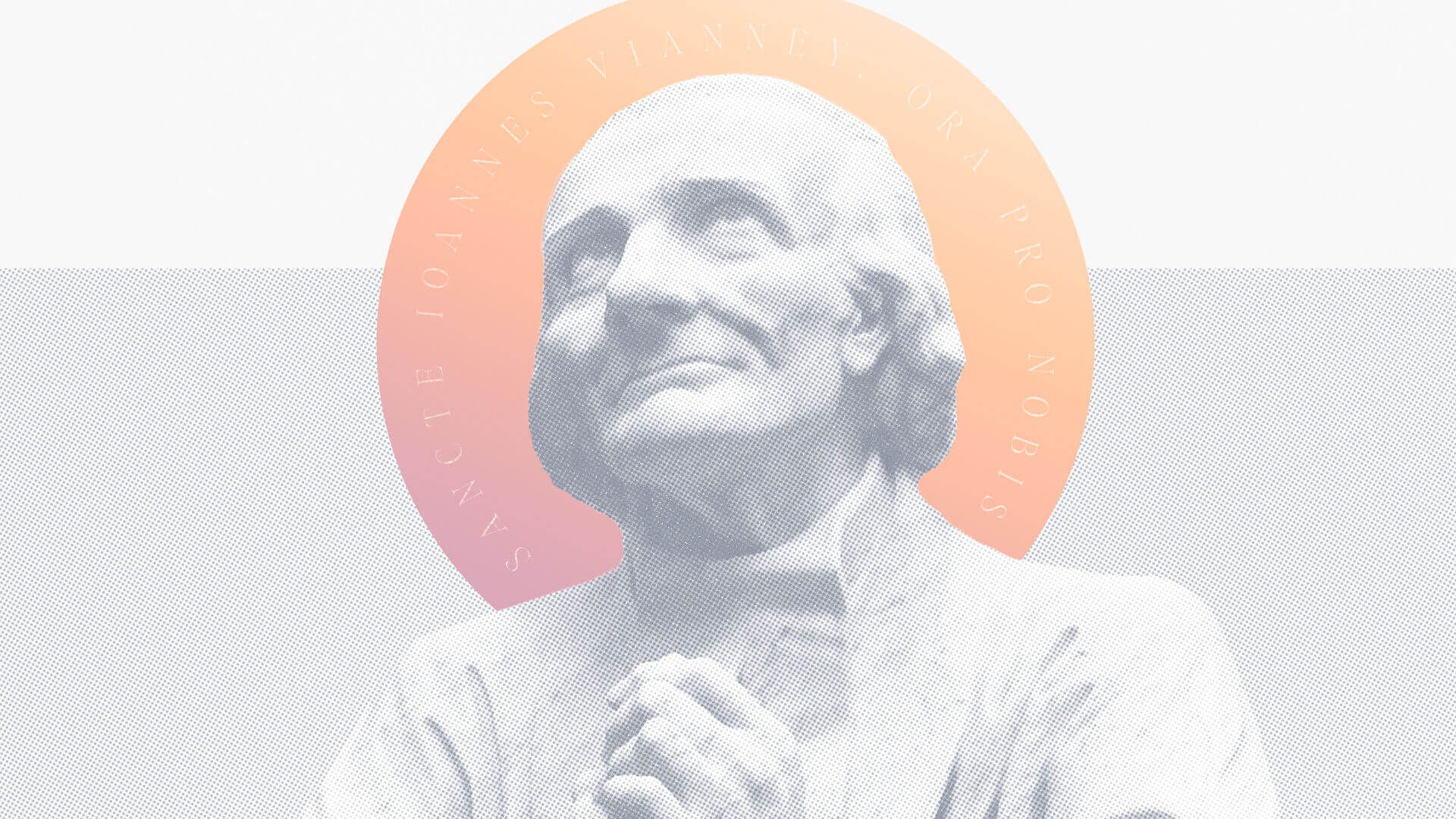
As legend has it, the devil spent a lot of time harassing St. John Vianney. He would light the saint’s bed on fire. He would fill the room with the sounds of wild beasts. He would keep him awake at night with growling voices and shaking furniture.
Every year, over 20,000 pilgrims came to the tiny village of Ars for one reason: to confess their sins to this humble, ever-present priest. He had an uncanny ability to read hearts, speak truth, and offer the tender mercy of God with precision and power.
And the devil hated it.
St. John Vianney himself believed that the more intense the disturbance at night, the greater the sinner who would come the next day. In a way, the attacks weren’t random, they were strategic. The goal was to wear the priest down with exhaustion and dull his attentiveness in the confessional in the hopes of preventing him from hearing what the Holy Spirit was doing in the present moment.
But Vianney persisted. And more than that, he trained his heart and mind to be attentive.
2:00 AM: The Discipline of Watchfulness
Each morning, St. John Vianney rose at 2:00 AM to pray. Not just casually, not out of routine, but with an intense posture of begging.
Begging God to be with him.
Begging God to help him.
Begging God to help him remain attentive to the present moment.
For five hours before offering Mass, he trained his heart and mind to be where his feet were. So that when he entered the confessional, he wasn’t distracted. He wasn’t on autopilot. He was present to the person before him and to the whisper of the Holy Spirit within him.
That’s the essence of watchfulness.
Holiness Isn’t Automatic—It’s Attentive
Too often, when we read the lives of the saints, we see their heroic virtue and think: “They were just special.” But that would be a mistake. Saints aren’t exceptions—they’re invitations.
If we look with curiosity, not comparison, we can uncover vital clues for our own journey toward wholeness and holiness.
One of St. John Vianney’s most powerful insights and formulas for growth is this:
“The way to destroy bad habits is by watchfulness and by doing often those things which are the opposites to one’s besetting sins.”
Let’s break this down together.
Step 1: Watchfulness.
To be watchful is to be fully awake and present to what’s happening:
- In our heart
- In the person before us
- And in what God is doing right now.
It’s not about doing. It’s not about white-knuckling our way to holiness.
It’s about being.
Being rooted in the here and now.
Being free from the pull of past regrets and future anxieties.
Being detached from the meanderings of imagination or interior distraction.
St. John Vianney was able to sit, listen, and be fully attuned to the hearts of others and the heart of God for up to 18 hours a day, because he had trained himself, through prayer and silence, to live in the present moment without the filters of fear, woundedness, or selfishness.
Step 2: Do the Opposite.
Once we’re aware of our temptations and patterns, we can take action.
And the action isn’t vague. It’s precise. It’s targeted. It’s the opposite of your sin.
- If I’m prone to lust, I practice mastery of the body through fasting, accountability, and custody of the eyes.
- If I’m inclined to gossip, I discipline myself to speak well of others, extend the benefit of the doubt, and guard confidence.
- If I’m ruled by envy, I deliberately celebrate others’ successes and thank God for what He’s doing in their life.
Notice the order:
First awareness, then action. First being, then doing.
Holiness that endures emerges from a heart that is watchful, not willful.
Conclusion: Watchfulness Is the Way
In an age of constant distraction, inner noise, and scattered attention, watchfulness may be one of the most needed virtues.
It’s the key to spiritual maturity. It’s the gateway to healing and integration. It’s the practice that allows us to hear the voice of God, respond to the needs of others, and act from a place of peace rather than pressure.
And it begins not in doing more but in practicing being.
St. John Vianney wasn’t powerful because he was extraordinary. He was powerful because he was watchful. And in being watchful, he allowed God to work through him, confession after confession, soul after soul.
May we do the same.
On this his feast day, may the great St. John Vianney, pray for us.
I teach adult religious education at my parish and I am requesting permission to use this article in my class by making copies of it and handing them out to the members of the class. Please let me know if it is OK to do this.
God Bless,
Dennis Hallisey
Of course, Dennis! Let us know how every thing goes after you get the chance to use it.
Thanks for this wonderful article!