

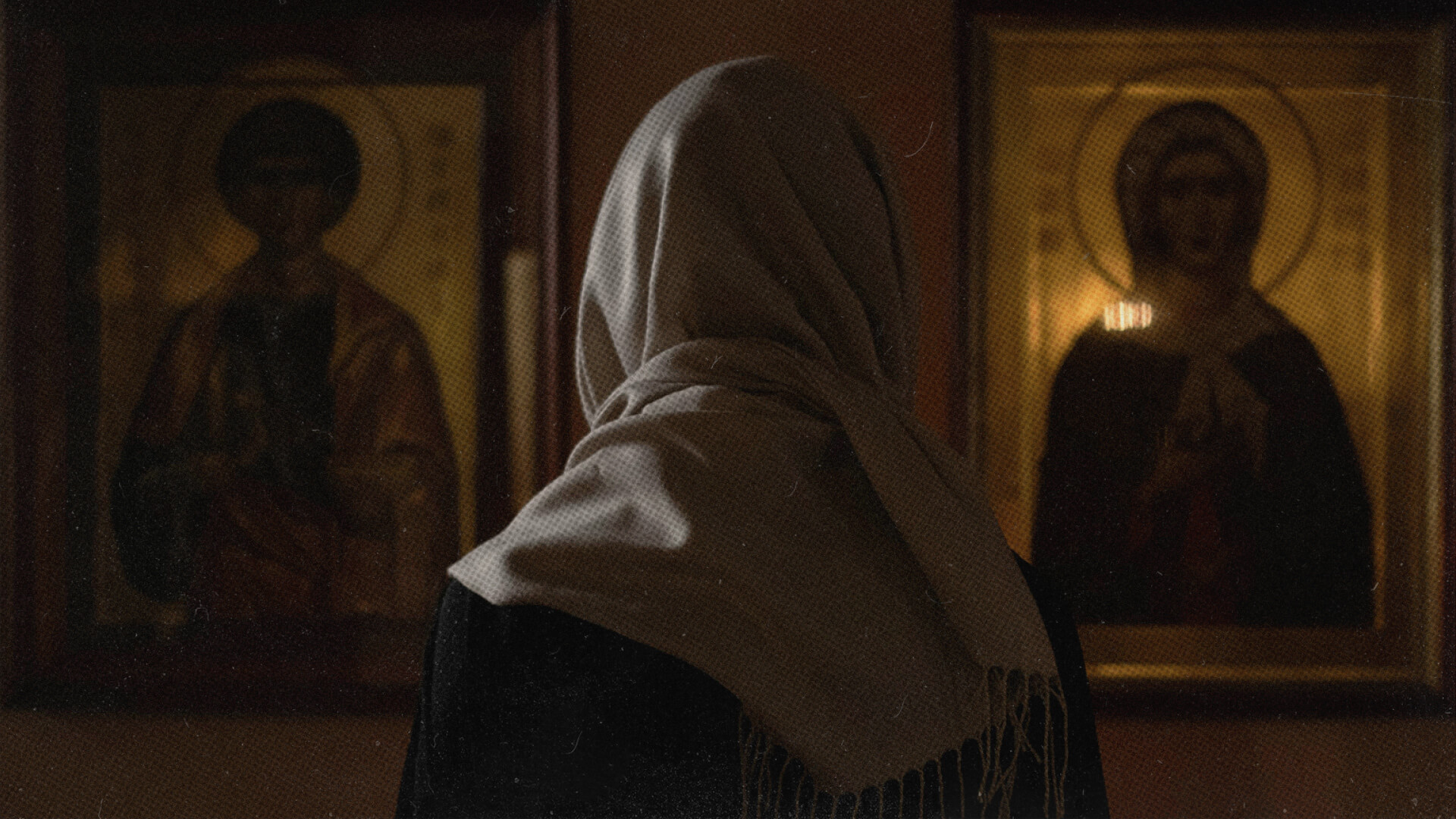
A pattern of spiritual narcissism is a really touchy, sensitive, and difficult topic. It’s one of the hardest things I talk about…ever.
And it’s one of the most difficult things to work on with people who come to us for help.
Spiritual narcissism is when religion and spirituality become very thick, very sticky masks that people wear and cling to for their woundedness and self-protection. It happens when there is a kind of narcissism that emerges, where a person unconsciously has a need to make themselves important.
In this pattern, the spiritual life becomes a way in which the narcissistically wounded person is trying to make themselves important, not because their prayer life is false, but because there can be genuine desire to be united with God, and yet there are psychological blind spots. At its core, the narcissistic wound is a fear, a terror of unimportance, and spirituality can be recruited to resolve that fear by constructing a world in which they are center stage, the most important person in their world.
What makes this especially dangerous is that one can feel very connected to God and then carrying on with one’s plan, fueled by the sense that it is God’s plan, becomes immovable, untouchable.
My goal here isn’t to make someone feel bad or ashamed for having a pattern of spiritual narcissism. My goal is to create awareness, because when we start to shine light on these things, it can be really difficult—but it can also be deeply meaningful and helpful.
I hope to talk about this pain and suffering in a way that reveals something meaningful and helpful without blaming and shaming. Because we all have all the parts. Some of us just have parts that are more active than others, parts that take the driver’s seat more than we would like. And when we can see those parts, whether in ourselves or in our relationships, we’re no longer just confused or stuck. We’re actually given a place to begin healing.
With all that being said, here are five signs, you might be struggling with a pattern of spiritual narcissism.
1. You Unconsciously Need to Be Important
There is a pattern of needing to make yourself feel important.
Not because you’re bad or malicious, but because the narcissistic wound is a fear of unimportance.
So you associate with things that are important. People that are important. Ideas that are important. And yes, even God because of how important He is.
If you find yourself prioritizing people who feel important and disregarding those who don’t, you might have a strong spiritual narcissistic part.
2. Being ‘Called by God’ Ends Conversations
You often feel so connected to God that then carrying on with your plan, fueled by the sense that it is God’s plan, becomes immovable, untouchable.
If you find yourself regularly ending conversations and shutting out otherwise trustworthy people with phrases like, “Well, this is what God told me,” or “God told me to say this,” or “Your advice isn’t from God,” then it’s worth taking a deeper look at that.
This is especially true if you have a hard time listening to others, if there is a spirit of anxiety or if there is a strong base of rigidity behind your dismissal of trusted friends or Mentors.
3. Grace Is Expected to Bypass Human Woundedness
If you are struggling with a pattern of spiritual narcissism then it can be very difficult for you to admit that you are wrong, you are regularly sensitive to criticism, and you expect others to change…not you.
There are a number of problems with this approach to life but one is that grace perfects nature. It builds on nature. It doesn’t bypass our nature.
Spiritual maturity cannot compensate for psychological woundedness. It can only work with what’s there. And when that woundedness blocks an openness to growth, it creates a severe handicap in relationships.
4. Catholic Teaching Gets Weaponized
One of the most common occurrences of spiritual narcissism takes place in marriage where one spouse will weaponize Catholic teaching in order to assert his or her authority.
Words like “headship” or “spiritual leader” get distorted into a form of tyranny. Mutual self-gift is replaced with a battle for control and dominance.
Again, a key example here would be if someone in a marriage wields a spiritual trump card. Something like, “I am the head of the household, what I say goes, and that’s the end of that!”
That’s not what Scripture teaches. That’s not what marriage vows mean.
5. You Feel Threatened by Boundaries
When someone in your life tries to set a reasonable boundary, when they say, “No” to you or prioritize someone else, how do you tend to react?
The spiritually narcissistic part hates when someone tries to set boundaries on them. They lash out, reject, or try to manipulate the boundary setter into apologizing and doing what they want instead.
Consider, how do you react in response to boundaries?
What To Do About It
First: compassion. We’re all just doing our lousy best.
Second: honesty. We have to be able to look at blind spots in ourselves and in others.
Third: integration. God wants us to be healthy altogether as humans. Psychological health. Spiritual health. Human health.
And finally: poverty. We have to let go of all the efforts to construct a world in which we are important so that we can instead receive how important we really are from the Father.
That’s freedom. That’s healing. And that’s what God wants for us.
P.S. This isn’t a process you should go about alone. If you feel triggered by this blog or you feel like this explains you in a way that inspires you to learn more, then reach out to our Intake Team and schedule a free mentorship consultation.
That has been me! My marriage ended because of this!
Now that I can recognize this, I believe God will heal me and I can make amends to those I have hurt, mostly my former husband
Amen! Prayers for you.