
When Stefanie’s daughter Anna was born, she arrived early and fragile. Within hours, she was whisked into the NICU. Stefanie, a new mother and a recent convert to Catholicism, found herself longing to do what every mother instinctively wants: to pick up her baby and hold her through the suffering.
But she couldn’t. The machines and tubes surrounded Anna, and Stefanie was left standing helpless beside the incubator.
That’s when something unexpected happened.
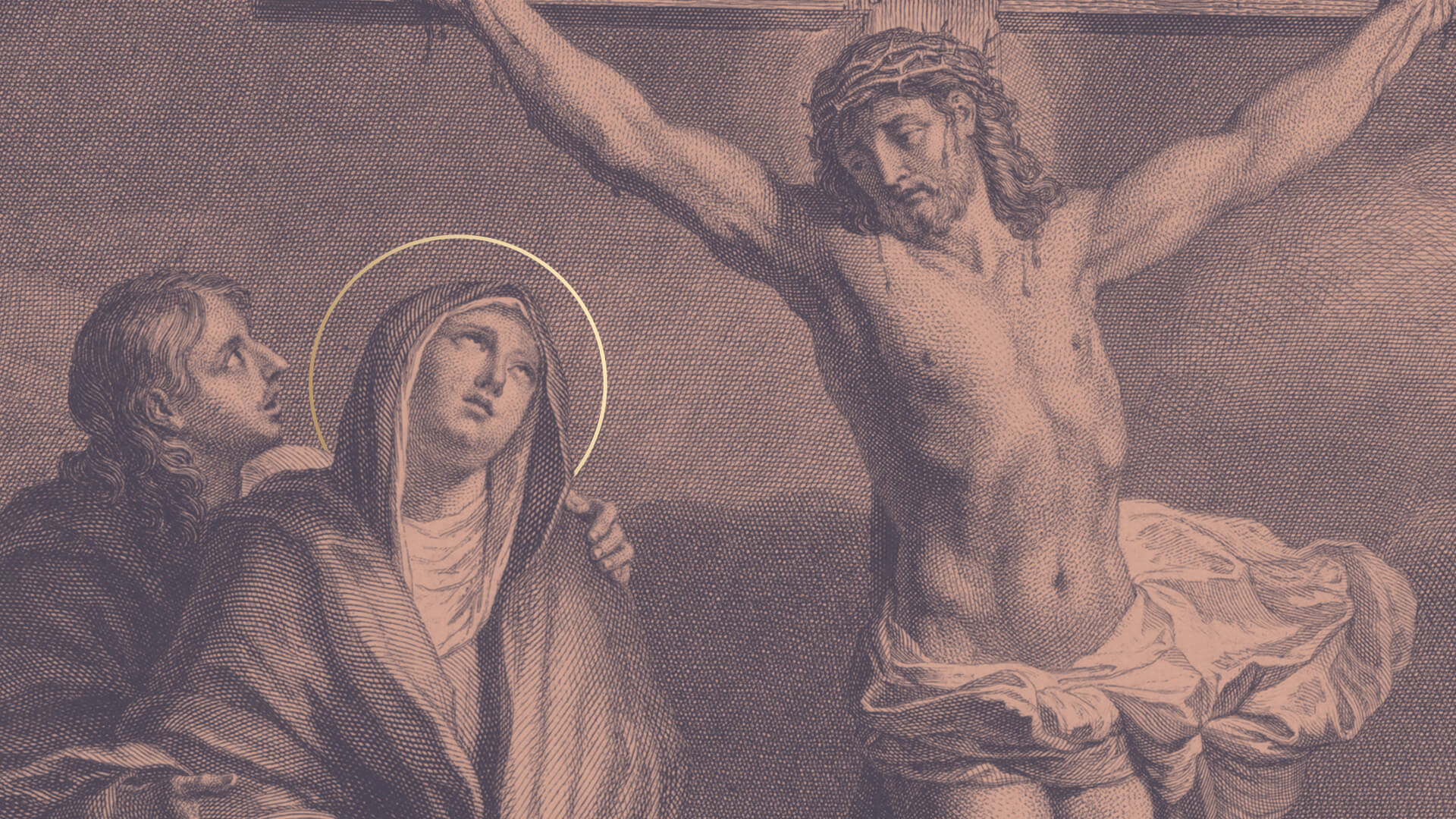
“I was looking at Anna in this incubator and I wanted so much to just pick her up and hold her and comfort her through her suffering. And it was this incredible experience where I felt the Blessed Mother behind me. For the first time I could understand why she was a martyr of the heart, because she watched her son be crucified and she had to accept Christ’s plan for her son, even though I’m pretty sure she wouldn’t have agreed to do it. And that’s how I felt with Anna.”
For Stefanie, that moment became a turning point.
The Illusion of Control
By her own admission, Stefanie is a planner, a detail person, someone who likes to read the end of the book before starting the beginning so she knows how it ends. “I’m a grade A textbook Type A control freak,” she said with a laugh. “I want to know what’s going to happen. I need to read the end of the book before I start the beginning.”
But nothing about Anna’s illness could be controlled. First came the diagnosis—Rett syndrome, a rare neurological disorder that slowly strips away skills: the ability to eat, to move, to speak. Then came years of frantic appointments, binders full of tests, feeding tubes, seizures, wheelchairs. Stefanie poured herself into chasing doctors, medications, and therapies.
Looking back, she admits:
“When your situation is completely out of control, you will try to control what you can. I was gulping on to every single piece of control that I possibly could have in feeling like I was a good mother to a special needs child.”
But that sense of control was always slipping through her fingers.
What Mary Taught in the NICU
The encounter in the NICU reframed her motherhood. Stefanie realized she was being invited to a different kind of strength.
“I thought: I’ve got to trust in the Lord on this—Thy will be done. And for me, to have that calling of ‘Jesus, I trust in You’ was huge.”
Mary didn’t give Stefanie control. She gave her companionship. She gave her an image of love that suffers without being able to fix. She gave her permission to be present even when she couldn’t solve.
And isn’t that what so much of parenting really is?
We want to shape, protect, and manage every detail of our children’s lives. We want to spare them from hurt, failure, or fear. But in the end, there is so much that lies beyond our grasp.
Mary models how to love when you cannot fix.
Walking to Calvary
Years later, when Anna was hospitalized again and her health was failing, Stefanie felt Mary’s presence return.
“She was going into respiratory failure. She was surrounded by doctors. They needed to intubate. And the Blessed Mother was at the foot of her bed. I looked at Anna’s dad and I said, ‘The Blessed Mother is putting on my heart that I am to prepare to walk the road to Calvary with her.’”
That insight was both terrifying and consoling. It didn’t erase the suffering. It didn’t remove the grief. But it gave Stefanie the sense that she wasn’t walking it alone, that she was walking it with Mary, who had walked it with Jesus.
Anna died at the age of four. And yet, even in the deepest heartbreak, Stefanie describes the grace that accompanied her:
“I just felt like [the Blessed Mother] was picking her up and taking her into heaven with her. Like I just, I know it. I know it to be true.”
Lessons for Us
Most of us will not face what Stefanie faced. But all of us face moments of helplessness, times when the people we love are suffering and there is nothing we can do to stop it.
In those moments, Mary is with us.
She does not erase the suffering, but she shows us how to stand beside it. She does not give us control, but she gives us the courage to stay when everything in us wants to run. She does not fix the outcome, but she gives us the grace to whisper, “Jesus, I trust in You.”
And perhaps most importantly, she shows us that love does not fail when it cannot fix. Love is strongest when it stays.
Stefanie said it best herself:
“Mary at the Cross had to accept Christ’s plan for her son, even though I’m pretty sure she wouldn’t have agreed to do it. That’s how I felt with Anna. I had to trust in the Lord: Thy will be done.”
May her story remind us that even in the NICU of our lives—in the places where we feel powerless—Mary is there, helping us to surrender and teaching us how to love.
What a beautiful and inspirational testimony.