

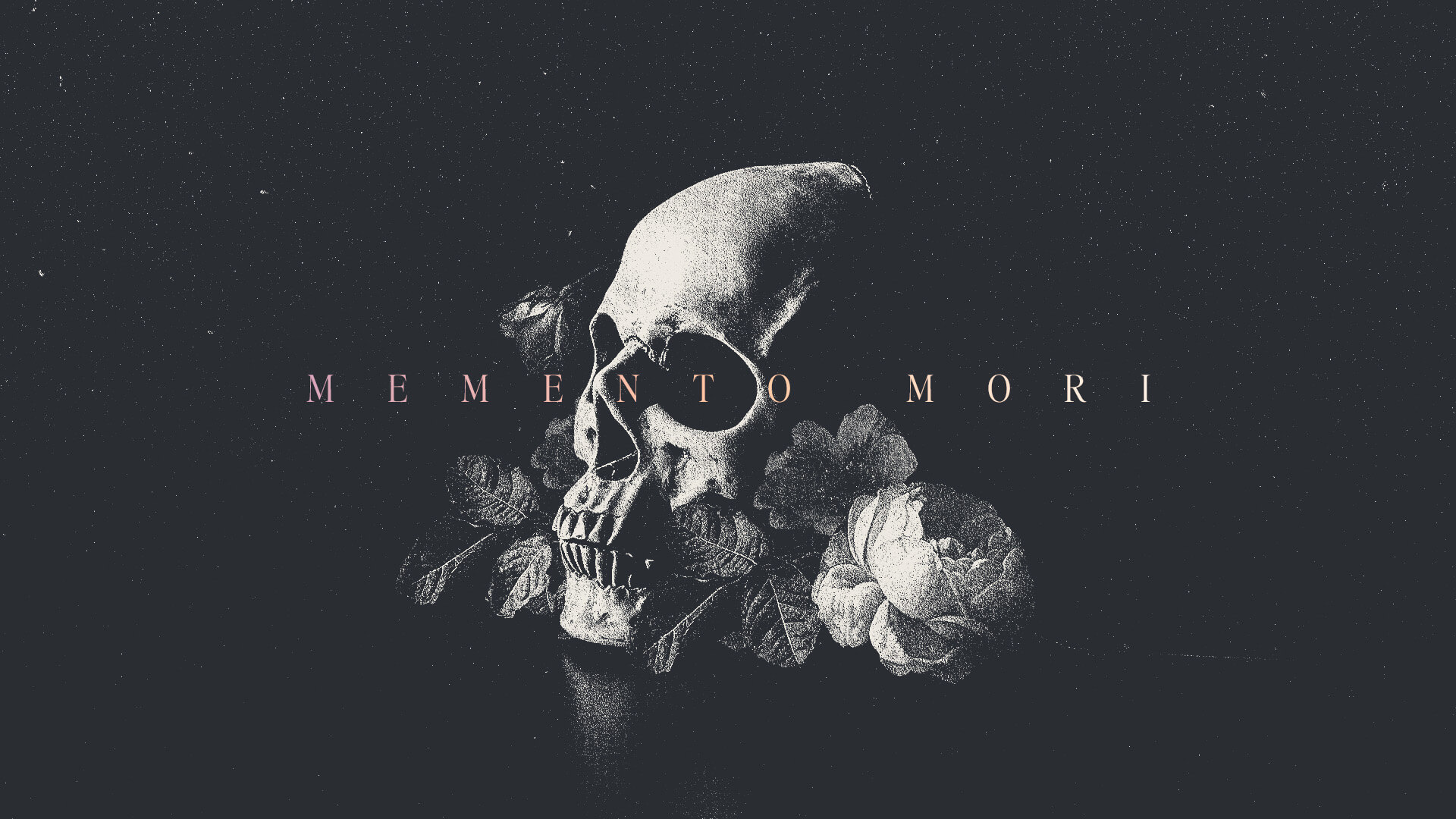
Every November, the Church pauses our normal rhythm of life and hands us a strange but beautiful invitation: Remember death
In a world that avoids silence, glorifies youth, and pretends death is far away, the Church stands apart. She looks us straight in the eye and says, “Think about your death.” Not to make us anxious, but to make us alive.
Despite what the culture might promote, meditating on death isn’t morbid; it’s medicine. It reorders your life. Every November, beginning with all Saints and all Souls, through funerals and cemetery visits and quiet prayers for the departed, the Church is trying to teach us something that our culture has forgotten.
If we embrace it, here are three lessons the Church offers us each year, three ways death can actually heal our life.
1. Thinking about your death can heal how you live
Most of us spend enormous energy avoiding death. We distract ourselves, chase comfort, and fill our days so full of noise that we don’t have to face our limits. And part of that is by design. Every fiber of our natural being revolts against death because, in part, God wants us to remember something really good and really true:
I am made for life!
Unfortunately though, this resistance to death morphs into an unhealthy avoidance driven by fear. And when we refuse to confront the reality of impending death, fear multiplies in the dark. Bad habits get a strong hold in daily life. And we lose perspective on what matters most.
But when we turn toward it in faith, death loses its sting and clarity emerges. So, in November, the Church says, memento mori (remember your death). Not to obsess with dying, but to live excellently. Because when we spend time thinking about our death every day, we’d stop wasting so much time on what doesn’t matter and focus deeply on what does.
When you remember that your days are numbered, priorities rearrange themselves almost effortlessly.
You forgive faster, because you realize time is short. You love more patiently, because you remember every conversation could be your last. You care less about being impressive, and more about being faithful.
So this November, meditate on your death. Don’t ruminate. Don’t worry. But sit with the truth that you’ll die. Because it’s amazing how much peace that brings.
2. We remember the dead because grief is sacred
Grief isn’t a weakness to overcome, it’s an essential part of what makes us human.
Our culture doesn’t know what to do with grief. We usually fall into one of two traps. Either we numb ourselves and call it strength, telling ourselves to “move on” and get back to work. Or, we become swallowed by sorrow until it breeds resentment and despair.
The Church offers another way. She invites us to mourn with hope. To fully enter into the pain of loss while also trusting that this isn’t the end.
For the supreme example, look no further than Jesus during the Agony in the Garden. If you had the perfection of the purity of the mind of Christ and you looked at impending death, it would cause blood to come out of your pores. In that moment, Jesus—the Creator of life itself—faces death head-on and feels the full weight of it. And He reveals the perfected human response to the reality of death.
He doesn’t escape His suffering; He enters into it with trust. He responds to the pain of death with an act of faith, “Thy will be done!”
When you examine your own death, it’s enough to make you sweat blood. And when you live in the reality of the death of someone you love, it’s enough to bring you to the point of deep grief.
This is what the Church invites us into each November, to let grief become a place of union with Christ’s obedience, not an obstacle to it.
November, every candle lit and name remembered, becomes a spiritual armband that says: Love matters. Loss hurts. And hope remains.
In a way, the hole that’s left in your heart from the death of a loved one never closes. You just grow more personhood around it. Each new season of life, each birth, each milestone, each memory can reopen the ache. But that isn’t a sign of regression; it’s an invitation to growth.
Being sad, experiencing agony, doesn’t mean you’ve lost faith; it means you’ve loved deeply. So this month, feel what you feel. Let it teach you what it has come to teach you. But always remember, how you feel doesn’t change the call from Jesus to respond as He did, with great faith to surrender to the will of the Father.
3. How we treat the dead is personal
The final lesson is that how we treat the dead reveals who we are and what we believe. Funerals, prayers for the departed, cemetery visits, these are not merely gestures for the dead; they are acts that form the living.
When we follow the Church’s ancient prescription, embracing death instead of avoiding it, we find new opportunities for healing, growth, and peace.
How we honor the dead becomes a mirror for how we honor life. When we pray for souls, we teach our children that love continues beyond the grave. When we honor the body, we proclaim the truth of the Incarnation. When we light a candle for the departed, we testify that communion isn’t broken by death, it’s transformed by it.
And in the process, we prepare ourselves. Because how we treat the dead is how we can expect to be treated when we die.
The Church’s invitation each November is deeply personal: look at the way you live, the way you mourn, and the way you remember. Each of these flows from what you believe about God.
The Month that Makes Us Human
November is not just about loss. It’s about formation. It’s about becoming the kind of person who can look death in the face and still say, “Thy will be done.”
So, this November, begin again.
Remember your death, so you can live better. Mourn your losses, with hope that they’ll one day be healed. And honor the dead, as a way of preparing for eternity.
Because the month of the dead, if we receive it well, is what helps us become who we are