
As we celebrate the Fourth of July, it’s worth asking a question most Catholics probably haven’t considered: Can you be holy and still be American? Or more pointedly, does the American mindset help or hinder the spiritual life?
In 1899, Pope Leo XIII wrote a letter warning the Church about a rising heresy he called Americanism. At the time, the United States was rapidly ascending on the global stage. Its values of independence, innovation, and personal grit were shaping not just society, but the Church within it. And Pope Leo saw something coming. He prophetically identified a mindset that, while full of potential, could also undermine the Catholic understanding of grace, tradition, and community.
He wasn’t condemning a nation. He was illuminating a cultural temptation. And more than a century later, it’s still with us.
The American Virtues We Love
Let’s start with the good. There is something genuinely inspiring about the American experiment. Our Founding Fathers envisioned a world where people were free to choose, to create, to build. That entrepreneurial spirit has led to amazing innovation and opportunity. It’s the land of startups, garage-built empires, and the never-say-die mentality that says: Where there’s a will, there’s a way.
There’s a natural virtue here—a grit, a determination, a sense of responsibility for one’s life and work. And that’s not nothing. Holiness isn’t opposed to hard work or personal responsibility. In fact, Catholic theology insists that grace perfects nature. Meaning: God builds on our efforts. He doesn’t override them.
The Necessity of Grace
Here’s where things get tricky. American culture doesn’t just celebrate personal effort—it often idolizes it. We talk about pulling ourselves up by our bootstraps, pushing through pain, and earning everything we have. But holiness doesn’t work that way. You can’t white-knuckle your way to sainthood.
Grace is not earned. It’s received.
And that requires humility. It requires reverence for things outside of ourselves—things handed down. Like the teachings of the Church. The sacraments. The guidance of spiritual directors. The wisdom of tradition.
If we’re not careful, the American instinct for autonomy and innovation can bleed into our spiritual life, and we start treating the Faith like one more self-improvement project. A DIY salvation plan.
That’s what Pope Leo XIII saw coming.
The Heresy of Americanism
In his letter Testem Benevolentiae Nostrae, Pope Leo warned against:
- Doctrinal relativism—the tendency to adapt truths of the faith to fit individual preference or cultural trends
- Excessive focus on natural virtue over supernatural grace
- Contempt for religious life, vows, and obedience
- Individualism in spiritual matters, where each person becomes their own ultimate authority
He wasn’t rejecting the energy or creativity of the American people. He was warning that when those gifts go unchecked by humility and tradition, they can become spiritually toxic.
We Still See It Today
You don’t have to look hard to see how this heresy has taken root. How often do you hear things like:
- “I don’t need a Church to have a relationship with God.”
- “I’m spiritual, but not religious.”
- “I make my own truth.”
This is the air we breathe. We live in a culture that resists authority, questions tradition, and often prizes freedom from over freedom for. But true freedom is not autonomy. It’s the ability to do the good. And that only comes through grace.
The Saints Show Us the Way
Here’s the good news: The American spirit can be baptized.
Just look at our saints. People like:
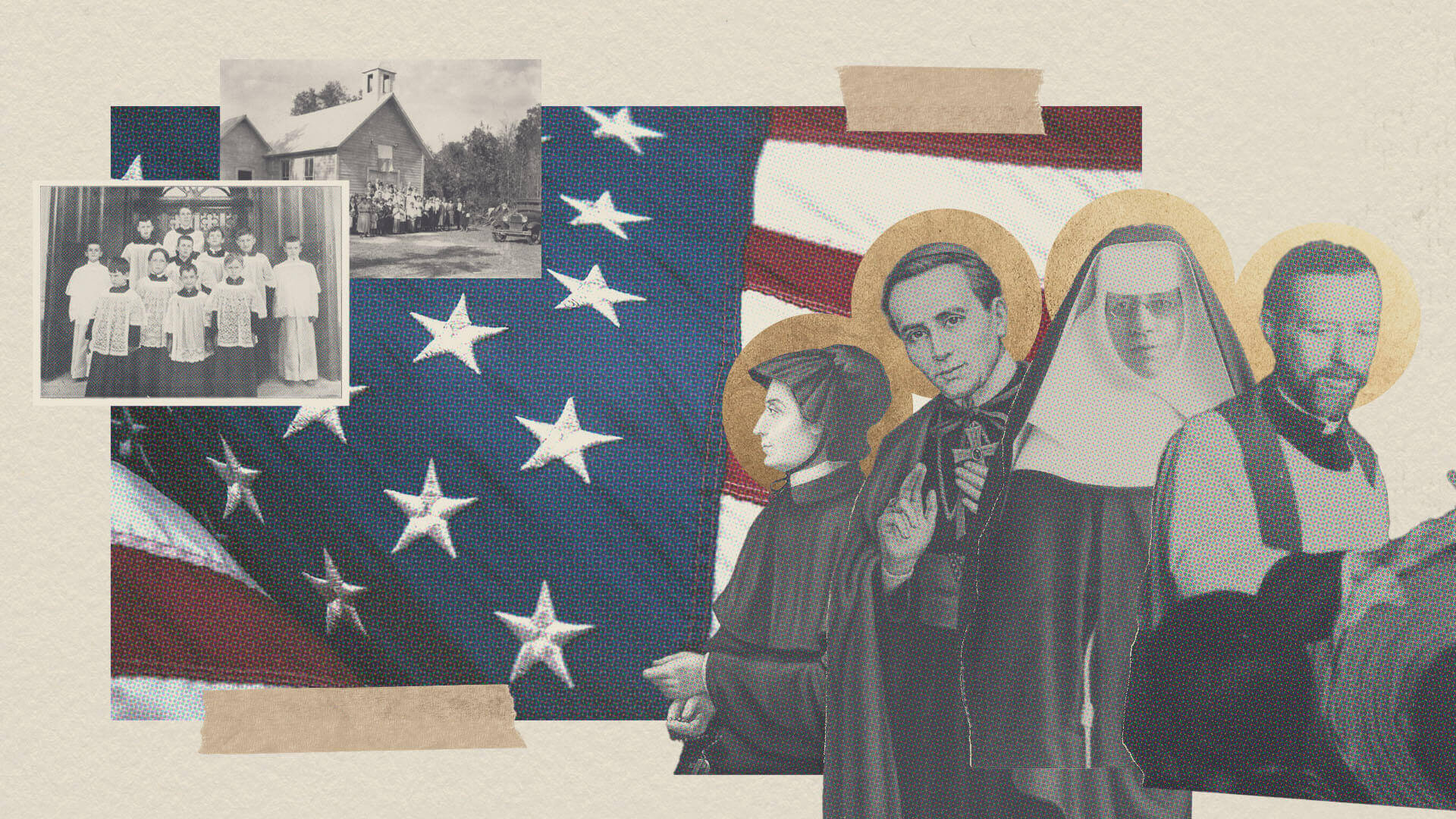
- St. Elizabeth Ann Seton, who pioneered Catholic education with the zeal and grit of a startup founder.
- St. John Neumann, who built the first diocesan school system in the U.S.
- St. Katharine Drexel, who used her family’s wealth to found missions and schools for Native and African Americans.
- St. Junipero Serra, who blended missionary heart with tireless dedication.
They were courageous. Innovative. Hardworking. But they weren’t self-made. They were Spirit-led.
They didn’t abandon their drive—they surrendered it. And in God’s hands, it became fruitful.
A Both/And Catholicism
This isn’t a post suggesting we reject our culture outright. We’re not called to escape America. We’re called to redeem it. To take what is good—the energy, the drive, the innovation—and root it in the deeper soil of grace, humility, and dependence on God.
Padre Pio said it simply: Pray as if everything depends on God. Work as if everything depends on you.
That’s the American spirit at its best. Not a substitute for grace—but a servant of it.
So… Can You Be Holy and Still Be American?
Yes. But only if you remember what’s most important.
Independence isn’t the goal.
Union with God is.
So as we celebrate this nation’s founding, let’s thank God for the gifts of our culture—and stay rooted in the only foundation that lasts:
Not life, liberty, and the pursuit of happiness.
But faith, hope, and love.